Honorary Speakers
IMSA 2026 | 26-28 Aug. 2026 | Eastin Grand Hotel Phayathai, Bangkok, Thailand Submit your AbstractRegister Now!Opening Remarks
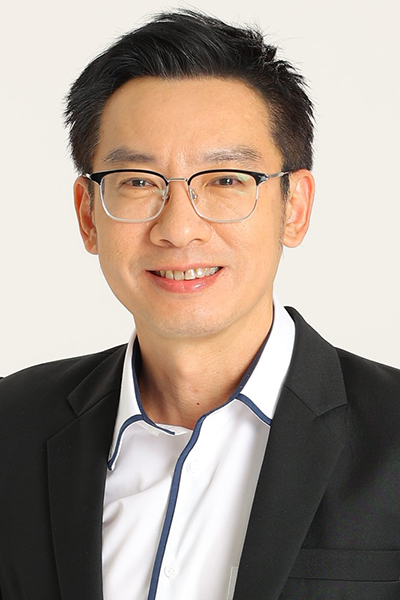
Prof. Dr. Supachai Pathumnakul
Permanent Secretary for Higher Education, Science, Research and Innovation
Biography
Supachai Pathumnakul is Permanent Secretary of Thailand’s Ministry of Higher Education, Science, Research and Innovation (MHESI), where he also serves as the ministry’s Chief Information Officer at both ministry and departmental level (MCIO/DCIO). He is the fourth person to hold the post since the ministry was established in 2019. His appointment was approved by the Cabinet on 6 August 2024, and he took up the position formally on 1 October 2024, succeeding Mr. Permsuk Sutchaphiwat.
Education
An industrial engineer by training, Professor Supachai holds a Bachelor of Engineering in Industrial Engineering (Second Class Honours) from Khon Kaen University, and both an M.S. and a Ph.D. in Industrial Engineering from Iowa State University, United States. He is an associate member (ภาคีสมาชิก) of the Royal Society of Thailand, Academy of Science, in the field of management technology.
Academic career
His academic base was the Faculty of Engineering, Khon Kaen University, where he rose to full professor and then into senior university management, serving as Vice President for Research and Technology Transfer and Director of the KKU Science Park, and subsequently as Vice President for Innovation and Enterprise.
His research and publications centre on industrial engineering and supply chain management. They include books on agricultural supply chains — among them work applying mathematical tools to the swine supply chain and a project on addressing volatility in the Thai pork market through supply chain management. His work also includes research on models for developing silk-industry clusters in Northeastern Thailand, and journal papers on facility layout, production scheduling to reduce peak electricity demand, and the use of genetic algorithms in optimisation.
Entry into the civil service
He transferred from university employment back into the civil service by royal command, taking up the post of Deputy Permanent Secretary of MHESI with effect from 27 January 2020, moving directly from the Vice President for Innovation and Enterprise role at Khon Kaen University. A news profile at the time described him as 49 years old and as a leading candidate for the permanent secretaryship.
As Deputy Permanent Secretary he became closely associated with higher-education reform. The Chair of the Council of University Presidents of Thailand publicly described him as a reformer with a strong command of the higher education system, citing in particular his work on the National Credit Bank policy, which opens access to learning and to new technologies for people at every stage of life. He was also a visible advocate of work-integrated and community-based learning schemes such as CWIE, U2T and Yuwachon Asa (Youth Volunteers).
As Permanent Secretary
His agenda as Permanent Secretary has emphasised lifelong learning, international quality standards, and the application of artificial intelligence across the higher education and research system.
In February 2025, shortly after taking office, he convened MHESI senior management in a workshop to set the ministry’s policy direction for higher education, research and innovation, positioning AI as a central mechanism for human capital development.
He has championed international accreditation of Thai engineering programmes. In October 2025 he announced that 14 engineering programmes across 8 Thai universities had achieved accreditation from the US Accreditation Board for Engineering and Technology (ABET), with a target of 28 accredited programmes in 2026.
He has also driven the ministry’s AI-in-education agenda, launching the THAI Academy – AI in Education initiative jointly with the Ministry of Education and Microsoft Thailand, supported by the establishment of a Centre of Excellence for General Education and Transferable Skills (GETS) in higher education institutions to strengthen twenty-first-century skills.
He remains active in the ministry’s research and community-engagement programmes — in June 2026, for example, he presided over the presentation of the Outstanding Social Engineer Community Development Awards at Thailand Research Expo 2026, recognising student innovation work across 38 Rajabhat universities. He also sits ex officio on the boards of MHESI agencies, including the Synchrotron Light Research Institute.
Topic: (TBC)
Coming soon!
QUICK LINK
Plenary Talks
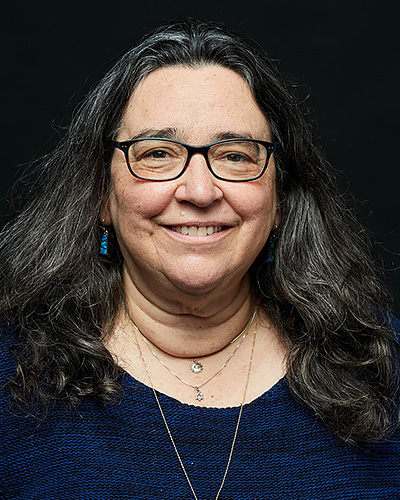
Plenary Talk I | Day 1: 26.08.26 (09:30-10:00) | Phayathai 1-2
Barbara Goldstein
Associate Director, Physical Measurement Laboratory,
National Institute of Standards and Technology (NIST), USA
Biography
Dr. Barbara Goldstein is the Associate Director of the Physical Measurement Laboratory at the National Institute of Standards and Technology (NIST), where she oversees one of the organization’s largest units, supporting measurement science for commercial, defense, and research applications. She also leads the “NIST on a Chip” program, which advances a new paradigm for precision measurement through deployable, quantum-based standards.
She plays an active role in international collaboration in quantum technologies, serving as Chair of IMEKO TC25 on quantum measurement and quantum information, and contributing to global standardization initiatives. With extensive experience in standards development and technology programs, she has led major efforts in areas such as e-commerce, the Internet of Things, and advanced manufacturing, supporting innovation and industry at scale.
Quantum-Enabled Measurement Systems for Future Metrology
This plenary presentation explores the development of quantum-enabled measurement systems and their role in shaping the future of metrology. It highlights advances in deployable, SI-traceable quantum technologies, including initiatives such as “NIST on a Chip,” which aim to bring precision measurement capabilities directly to end users. The talk will discuss how these innovations can transform measurement services by enhancing accessibility, reliability, and scalability. It will also consider the implications for quality infrastructure and international collaboration, particularly in supporting emerging industries and advanced technologies. The presentation provides a forward-looking perspective on integrating quantum measurement into practical applications and global metrology frameworks.
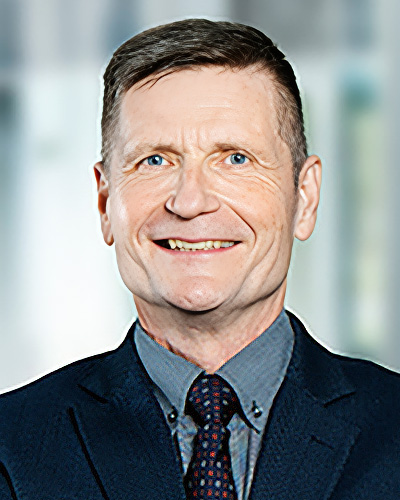
Plenary Talk II | Day 1: 26.08.26 (10:00-10:30) | Phayathai 1-2
Frank Härtig
Vice President
Physikalisch-Technische Bundesanstalt (PTB), Germany
Biography
Frank Härtig studied mechanical engineering at the University of Karlsruhe in Germany, where he also obtained his PhD. For the first 10 years, he held senior positions in various companies. Since 1999, he has been working for the German metrology institute, the Physikalisch-Technische Bundesanstalt (PTB). Here, he gained extensive knowledge in various fields, ranging from fundamental research to the calibration of services. During this time, he was also awarded an honorary professorship. Today, Dr Härtig is Vice-President of the PTB. His wide-ranging responsibilities include membership of various organisations and committees, such as the Executive Committee of the International Measurement Confederation (IMEKO), heading the PTB’s conformity assessment body, and coordinating the digital transformation in the field of digital metrological quality infrastructure both within and outside the PTB.
Development in the Digital Metrological Quality Infrastructure
Digital quality infrastructure is becoming increasingly important and established in the field of metrology. As the highest metrological authority, the Metre Convention has therefore established the Forum on Metrology and Digitalisation (FORUM-MD) in order to develop the fundamental frameworks for the digital representation and digital dissemination of quantities. Within industry, these developments are already at a more advanced stage. For example, pre-normative documents already exist that enable metrological data and processes to be exchanged in a machine-actionable format. The documents in the ISO 170xx series form the primary basis for this. Applications in the field of intercomparisons and the validation of AI systems are presented as examples, demonstrating that these developments have taken hold in industry, amongst calibration service providers and at some metrology institutes.
QUICK LINK
Keynote Talks
Keynote Talk I-A | Day 1: 26.08.26 (10:45-11:15) | Phayathai 1-2
Sho Tatsuno
President and Chief Executive Officer, TATSUNO Corporation, Japan
Biography
Mr. Sho Tatsuno is the President and Chief Executive Officer of TATSUNO Corporation, a company specializing in energy infrastructure and fuel dispensing systems in Japan. He received his Master degree in Information Science at the University of Tokyo and MBA at the Columbia University. He is dedicated to lead to support energy distribution infrastructure and supply chain management. His company has developed modern fueling technology, including high-precision, ultra-durable metering components that enhance sustainable efficiency. He has also been actively involved in advancing practical low-carbon solutions, such as hydrogen dispensing system.
Efforts to Realise a Decarbonised Society and Transitions to New Energy Sources
This plenary presentation addresses Japan’s efforts toward achieving a decarbonized and low-carbon society while ensuring a stable and reliable energy supply. It highlights the transition to diversified energy sources, expanding from conventional energy to incorporate emerging alternatives, including hydrogen and other low-carbon energy sources with efficiency. The talk will discuss key challenges in balancing energy security, sustainability, and technological innovation, as well as the necessity of inter-industry collaboration in driving this transition. The presentation offers insights into practical pathways for energy transition and the broader implications for global sustainability and industrial transformation.
Keynote Talk I-B | Day 1: 26.08.26 (11:15-11:45) | Phayathai 1-2
Senri Tanida
President and CEO,
TANITA Corporation, Japan
Biography
Senri Tanida was born in Osaka, Japan, in 1972 and graduated from Saga University in 1997. After working at a major Japanese consulting firm, he joined TANITA Corporation in 2001. He served as a Director of TANITA Corporation of America, Inc. before becoming President & CEO in May 2008.
Under his leadership, TANITA, a leading manufacturer of body composition analyzers, published a massive bestselling cookbook featuring healthy recipes from its employee cafeteria. This success led to the launch of the "TANITA Shokudo" restaurant business and the "TANITA Health Program" for corporations and local governments. Through these initiatives, he successfully transformed TANITA from a company that "measures health" into a comprehensive health company that "creates health."
Innovating Health Products and Sensor Technologies for Effective Health Programs and Management
This keynote talk explores interactions and roles of sensor technologies and measurement solutions in advancing health products and effective health management. It highlights innovations in body composition analysis and health monitoring systems that support preventive healthcare and personalized wellness. The presentation will address the importance of accuracy, reliability, and user-centered design in developing health-related devices. By linking measurement technologies with health management strategies, the talk provides insights into how innovation can contribute to improved public health outcomes and sustainable healthcare systems.

Keynote Talk I-C | Day 1: 26.08.26 (11:45-12:15) | Phayathai 1-2
Pat Gumann
Team lead for quantum system integration and cryogenics IBMQ IBM
Biography
Coming soon!
Keynote Talk II-A | Day 2: 27.08.26 (13:15-13:45) | Phayathai 1-2
Sascha Eichstädt
Head of the Metrology for Digital Transformation,
Physikalisch-Technische Bundesanstalt (PTB), Germany
Biography
Sascha Eichstädt has led the department "Metrology for digital transformation" at the Physikalisch-Technische Bundesanstalt since mid-2021. He earned his Diploma in Mathematics from Humboldt University Berlin (2008) and his PhD in Theoretical Physics from the Technical University Berlin (2012). A metrologist by passion since 2008, he began his career in PTB's mathematics group. In 2017, he embarked his journey into digital transformation of metrology and quality infrastructure. He chairs both the OIML Digitalisation Task Group (since 2022) and the IMEKO Technical Committee on Digitalisation (since 2021).
Digitalisation of Scientific and Legal Metrology: Towards a Future-Ready Quality Infrastructure
This talk explores the evolution of quality infrastructure from paper document-based processes to an integrated digital ecosystem. Based on examples from international collaborations such as the M4DT-IC CABUREK programme, the presentation discusses the journey from basic digitalisation to a full digital transformation. Key topics inlude digital calibration certificates (DCC), Digital Product Passport (DPP) and data spaces. Additionally, the talk examines the integration of artificial intelligence to build a trusted measurement framework for the future.
Keynote Talk II-B | Day 2: 27.08.26 (13:45-14:15) | Phayathai 1-2
Germaine Yong
Senior Scientist, Singapore Institute of Food and Biotechnology Innovation (SIFBI) Agency for Science, Technology and Research (A*STAR), Singapore
Biography
Dr Germaine Yong is a microbiome scientist with a PhD in Biomedical Sciences from University of California, San Francisco and a BS in Biology from Duke University. She is a Senior Scientist at A*STAR’s Singapore Institute of Food and Biotechnology Innovation (SIFBI), where her team studies how diet affects gut and metabolic health in Asians across health and life stages. Germaine was previously Lead Scientist at AMILI, Southeast Asia’s first and largest microbiome start up, where she developed microbiome-based measurement models and consumer solutions for precision health. Passionate about science communication, Germaine routinely gives public talks on the gut microbiome and has authored a kids comic book to help families and communities learn about the gut microbiome and healthy eating habits.
Measuring the Microbiome: Enabling Food, Nutrition and Precision Health
As healthcare advances from population-based strategies to precision health, the gut microbiome has emerged as a key measurable determinant of human health, diet and response to foods. It is increasingly linked to chronic disease risk, metabolic health, healthy ageing and the impact of food innovation. However, translating microbiome science into actionable clinical, regulatory and individual insights depends on granular, robust and longitudinal measurement frameworks. Key challenges include defining microbiome references, ensuring comparability across methods and geographies, and establishing reference materials and quality assurance systems that can support food safety, food security and health innovation. This talk will examine the growing role of metrology in microbiome, food and health, and outline future opportunities to integrate microbiome-based evidence into food innovation, precision health and personalised nutrition strategies.
Keynote Talk II-C | Day 2: 27.08.26 (14:15-14:45) | Phayathai 1-2
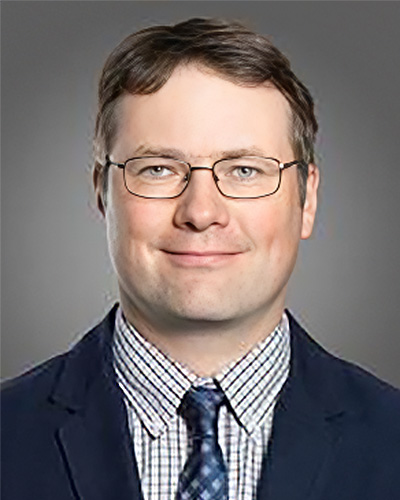
Nicolas Spethmann
Head of Quantum Technology Competence Center
Physikalisch-Technische Bundesanstalt (PTB), Germany
Biography
Dr. Nicolas Spethmann obtained his PhD in 2012 at the University of Bonn and subsequently held a Marie Curie outgoing fellowship at the University of California, Berkeley, performing research on tailored quantum systems at the quantum limit. Since 2019 he heads the Quantum Technology Competence Center (QTZ) at PTB, pursuing the transfer of quantum technology from laboratory into application with partners from industry and academia. He coordinates projects funded regionally, nationally and at European level, and contributes to standardization as a key aspect of building a quantum technology ecosystem, for instance as vice-chair of CEN-CENELEC’s Joint Technical Committee JTC 22 Quantum Technologies. He also serves on the steering committee of NMI-Q and chairs IMEKO’s TC25.
Accelerating Innovations in Quantum Technology
Quantum technologies are transitioning from fundamental research to applications and markets. This requires confidence in the properties and performance of quantum systems, and different implementations must be comparable on a rigorous scientific basis. Metrology provides both: by strengthening measurement capabilities, independent validation and standardization, it helps to turn laboratory demonstrations into reliable, user-friendly and reproducible quantum systems, and to build dependable supply chains — accelerating innovation and broadening the practical impact of quantum technologies across industries. On this basis, National Metrology Institutes can take a central role in supporting the emerging quantum innovation ecosystem. I will report on PTB’s activities in this field: characterization and test capabilities for quantum devices such as single-photon sources and ion traps, standardization work in CEN-CENELEC JTC 22 and IEC/ISO JTC 3, a growing range of joint projects with industry and academia, open test platforms and start-up incubation. Both the emerging global quantum market and metrology itself are inherently international, which makes collaboration essential. I will therefore discuss PTB’s contributions to the International Measurement Confederation IMEKO, in particular its Technical Committee TC 25 on Quantum Measurement and Quantum Information, and NMI-Q, a new international initiative of national metrology institutes to coordinate measurement best practice.
Keynote Talk II-D | Day 2: 27.08.26 (15:25-15:55) | Phayathai 1-2
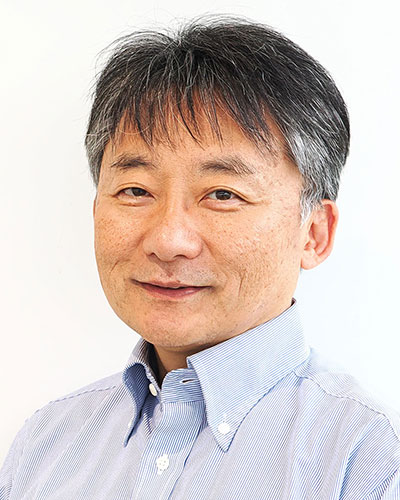
Nobu-Hisa Kaneko
Senior Principal Researcher and Leader of Quantum Hardware Components R&D Team for G-QuAT and NMIJ
Advanced Industrial Science and Technology (AIST), Japan
Biography
Nobu-Hisa Kaneko received his Ph.D. in condensed matter physics from Tohoku University, Sendai, Japan, in 1997. After research at the National Research Institute for Inorganic Materials, Tsukuba, he joined Stanford University’s Department of Applied Physics in 1999 as a postdoctoral researcher and later worked as a physicist at SLAC. In 2003, he joined the National Metrology Institute of Japan (NMIJ), AIST. His work focuses on precision measurements and quantum electrical standards based on the quantum Hall effect, Josephson effect, and single-electron tunneling. He has held leadership positions in electricity and magnetism, including section chief, division head, group leader, principal researcher, and team leader at G-QuAT, AIST’s quantum-AI research initiative. Since 2026, he has been Senior Principal Researcher at G-QuAT and NMIJ. He is an NMI-Q Steering Committee member and belongs to IEEE, JSAP, and IEEJ. He was selected for Quantum 100 for UNESCO’s International Year of Quantum Science and Technology.
Quantum Technologies at AIST’s G-QuAT and NMIJ: From Quantum Electrical Standards and the Quantum Hardware Component Testbed (Qubed) to International Standardization
Quantum technologies are advancing from laboratory demonstrations to engineered systems that require reproducible measurements, qualified components, and internationally aligned standards. This talk introduces activities at AIST’s G-QuAT and NMIJ, linking NMIJ’s long-standing expertise in quantum electrical metrology with emerging needs in quantum computing, sensing, and enabling hardware. It first reviews quantum electrical standards, including quantum Hall, Josephson, and single-electron standards, as foundations for traceability and measurement confidence. It then presents the Quantum Hardware Component Testbed (Qubed), which evaluates key components and subsystems—cryogenic RF cables, non-magnetic components, optical and photonic components, control electronics, and packaging technologies—under relevant operating conditions. Finally, the talk discusses how component-level metrology supports system performance, reliability, supply chains, and service operation, and outlines AIST’s contributions to international pre-standardization and standardization through NMI-Q and ISO/IEC JTC 3.
Keynote Talk II-E | Day 2: 27.08.26 (15:55-16:25) | Phayathai 1-2
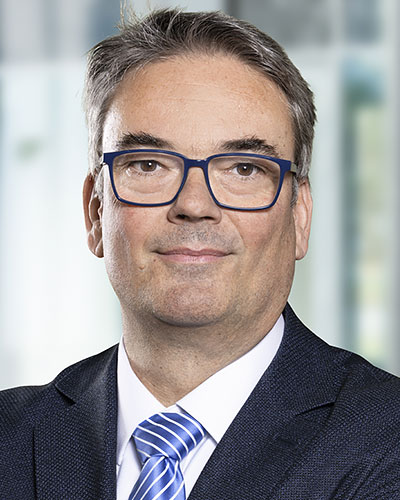
Thorsten Schrader
Head of Division 1. Mechanics and Acoustics
Physikalisch-Technische Bundesanstalt (PTB), Germany
Biography
Thorsten Schrader (SM’11) received the Dipl.-Ing. and Dr.-Ing. degrees in electrical engineering from the Technical University of Braunschweig, Braunschweig, in 1992 and 1997, respectively.
In 1998, he was with the EMC Test Systems, L.P., Austin, TX (now ETS-Lindgren, Cedar Park, TX).
In 1999, Thorsten Schrader joined the Physikalisch-Technische Bundesanstalt (PTB) in Braunschweig, Germany. In 2000 he served the Presidential Staff Office. In 2004 he became head of the working group “Electromagnetic Fields and Electromagnetic Compatibility”. From 2006 to 2011 he was responsible for the Working Group “Antenna Measuring Techniques”. Between 2005 and 2020 he directed the department “High Frequency and Electromagnetic Fields”. Since May 2020 he is head of the division “Mechanics and Acoustics”.
Evidence-based Functional Safety of Automated Driving
This plenary presentation offers contributions to the assessment of the functional safety of automated vehicles. Before such vehicles are type-approved and placed on the market, their general suitability for the planned operational design domain (ODD) should be assessed in a cost-effective manner. To avoid the need for millions of test kilometers and, in particular, to be able to test critical traffic scenarios adequately, virtual testing and scenario-based test bench runs will play an increasingly important role. The scenarios must be derived in an appropriate manner from accident data, critical near-misses and the requirements of the typical driving environment for each ODD. For type-approval, there will likely be a core set of scenarios; however, manufacturers will carry out much more extensive testing – including throughout the development process. The development of such a catalogue of requirements in collaboration with the regulatory authority and the policymaker, the technical services, the research community, and the manufacturers (OEMs), should provide guidelines for the safe introduction of automated vehicles. Virtual tests must be examined for plausibility; this means implementing the link between real-world driving physics and the digital virtual world with sufficient accuracy.
Vehicle development is already moving away from mechanical engineering-centred vehicles with countless control units towards a software-based approach (software-defined vehicle). This development of a connected system model, in conjunction with a digital twin of the driving platform, facilitates the early integration of testing and verification right from the development phase. Verification of the software stack for the driving function could then be carried out virtually at an early stage using software-in-the-loop (SIL) methods or as shadow mode on road. Software updates throughout the product lifecycle could likewise be validated and rolled out cost-effectively. Tests of the entire vehicle system, including the sensor set (particularly under adverse weather conditions, and in relation to ageing, contamination and mechanical effects), carried out on test benches, at proving grounds and in real-world road conditions, will ensure the safe operation of automated vehicles in the future.
Keynote Talk III-A | Day 3: 28.08.26 (09:05-09:35) | Phayathai 1-2
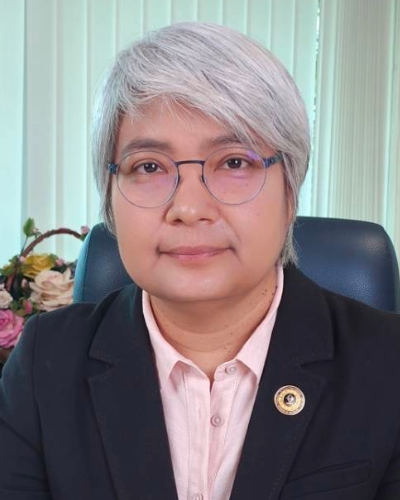
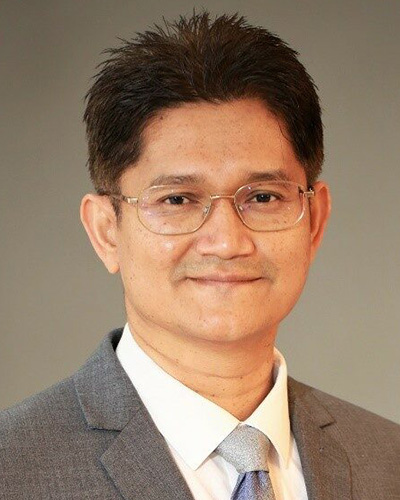
Sivinee Sawatdiaree
RDI manager and Head of Electrical Metrology Department,
National Institute of Metrology (Thailand)
Biography
Sivinee Sawatdiaree is Head of the Electrical Metrology Department at the National Institute of Metrology (Thailand), NIMT, and a physicist specialising in quantum-based electrical measurement standards. She holds a Dr. rer. nat. (doctor of natural science) in Theoretical Physics from the Universität Hannover, Germany, following doctoral research at the Physikalisch-Technische Bundesanstalt (PTB).
A leading voice on Thailand's national quality infrastructure (NQI), she serves as Member and Secretary of the National Quality Infrastructure Program and advises national committees on quality infrastructure for competitiveness, and has testified before the Senate of Thailand on strengthening the country's QI. She also served as Secretary of the ASEAN Experts Group on Metrology and of the APMP Developing Economies' Committee, working to align measurement and conformity across the region in support of trade.
Quality Infrastructure for Digital Trade When Trust has to Travel by Itself
Trust used to come with a person attached. It does not any more. A claim about a product now has to cross a border on its own, be read by a system nobody introduced it to, and be checked in seconds. This keynote asks what has to travel with it.
The rules driving this did not begin as trade measures. A circular economy is a set of claims about a product, and a claim nobody can check is worth nothing. Worse, it drives out the producer who did the work. Europe, China, Japan and Korea are converging on the same requirement from four different motives, on dates that are already fixed.
What they ask for is not faster paperwork. A certificate sent as a document arrives at a border as a filename: no issuer to look up, no scope to check, no uncertainty to act on, no rule to apply. The talk sets out the four questions a machine asks before it accepts a certificate, and places each one in a different part of the quality infrastructure — metrology, standardisation, conformity assessment, and the accreditation that stands behind two of them. It also draws a distinction that is often lost. A digital product passport is not a digital quality infrastructure. The passport is the shop window; everything beneath it is what makes anything in the window true. A United Nations protocol for carrying all of this already exists, free to use and open to anyone.
Thailand is then taken as a worked example, because one country examined closely is worth more than a general answer. It has all four components, and a diagnosis of its own weaknesses that has not needed rewriting in a decade. What it lacks is the joins between them: no shared direction, no shared plan, no shared measures of success. The talk closes with five decisions that could be taken this year, none of which waits for new legislation.
Evidence travels only as far as the weakest join behind it, and not one border further.
Keynote Talk III-B | Day 3: 28.08.26 (09:35-10:05) | Phayathai 1-2
Thawatchai Onjun
Executive Director,
Thailand Institute of Nuclear Technology (TINT), Thailand
Biography
Coming soon!
Fusion energy research in Thailand
Coming soon!
Keynote Talk III-C | Day 3: 28.08.26 (10:05-10:35) | Phayathai 1-2
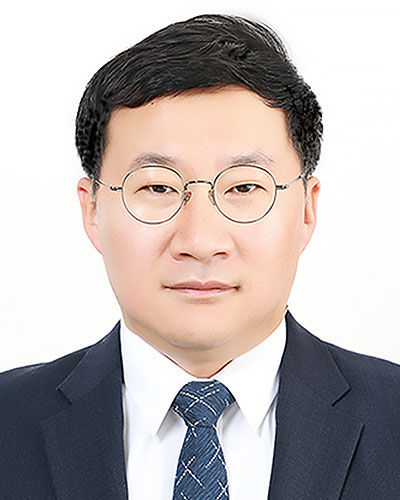
Woong KANG
Head of Thermometry and Fluid Flow Metrology Group
Korea Research Institute of Standards and Science (KRISS), Republic of Korea
Biography
Woong Kang is the head of thermometry and fluid flow metrology group at KRISS. He received a Ph.D in mechanical engineering from KAIST, Korea in 2009. He joined the division of physical metrology of KRISS in 2011. His research interests are hydrogen flow metering, greenhouse gas flow measurement and natural gas flow measurement. He is currently working as APMP TCFF(Technical Committee of Fluid Flow) Chair since 2023.
Topic: Hydrogen Field Test Standard for Hydrogen Refueling Stations
As interest in developing eco-friendly cars grew due to global warming and air pollution problems, the Korean government has formulated and implemented various policies to build 3 million hydrogen fuel cell electric vehicles and 1,200 hydrogen refueling stations in the 2040 year according to the national roadmap for revitalizing the hydrogen economy. Hydrogen fuel cell electric vehicles are typically refueled with a wide range of temperatures (-40 °C to 85 °C) and high pressure (up to 875 bar) in accordance with the worldwide accepted standard SAE 2601. The metrological and technical requirements stipulated in OIML R 139-1 and SAE J2601 should be followed, with a target accuracy of 2 - 4%. However, it is difficult to measure the flow rate accurately with conventional flow rate measurement methods. Currently, a mass flow meter (Coriolis-type) is used inside the hydrogen dispenser in the station, but the calibration of the flow meter for verification of measurement accuracy is carried out in the water as a different medium other than hydrogen, not high pressure when injecting hydrogen in Korea.
To develop the necessary methodologies and calibration facilities to allow hydrogen refueling stations, we have developed a KRISS Hydrogen Field Test Standard(HFTS). KRISS HFTS is based on the gravimetric principle with three 52 L pressure cylinder tanks (type IV) and a 300 kg-weighing system. In 2022, for the first time in Korea, an on-site test for field verifications and calibrations of the measurement accuracy was carried out at the Naepo hydrogen station located in Korea using KRISS HFTS. It was confirmed that the maximum allowable error in type evaluation on OIML R 139 was sufficiently satisfied from 2% to 4%. Since the first on-site test of hydrogen station in Korea from 2022, the KRISS HFTS has been used to select more stations in four regions in Korea and conduct verification tests.
Keynote Talk III-D | Day 3: 28.08.26 (11:30-12:00) | Phayathai 1-2
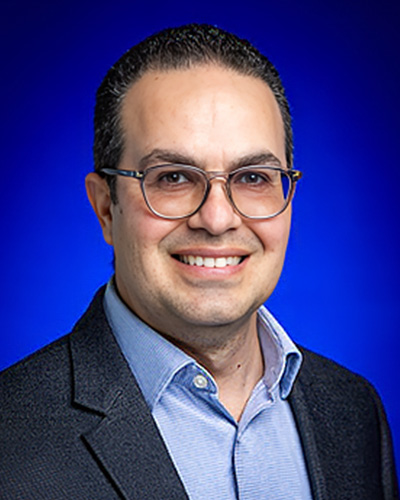
Fernando Castro
Department Head of Science for Advanced Materials and Semiconductors,
National Physical Laboratory (NPL), UK
Biography
Dr. Fernando Castro is the Head of Science at the National Physical Laboratory (NPL), UK, where he leads Advanced Materials and Semiconductors. He is a recognized international expert in metrology, with extensive experience across academia, industry, and government.
His work focuses on emerging semiconductor materials and advanced measurement techniques, including nanoscale characterization, scanning probe microscopy, and optical spectroscopy. He also contributes to standardization, pre-standards research, and international coordination in advanced materials and semiconductor technologies.
He plays a leading role in shaping global metrology strategies and has contributed to major international research and policy initiatives. He holds several prominent international roles, including the Chair of the European Metrology Network on Advanced Manufacturing and leadership positions within VAMAS.
Measurement for Advanced Materials and Semiconductor Innovation
This keynote highlights the critical role of measurement science in advancing materials and semiconductor technologies that underpin modern industry. It will address the growing need for high-precision, traceable measurements to support the development, characterization, and quality assurance of advanced materials. The talk will explore challenges related to nanoscale measurement, standardisation, and reproducibility, particularly in the context of rapidly evolving semiconductor applications. It will also discuss the importance of international collaboration and coordinated research efforts in strengthening measurement capabilities. By enabling reliable and comparable data, metrology plays a key role in accelerating innovation, supporting industrial competitiveness, and ensuring the integrity of next-generation technologies.
Keynote Talk III-E | Day 3: 28.08.26 (12:00-12:30) | Phayathai 1-2
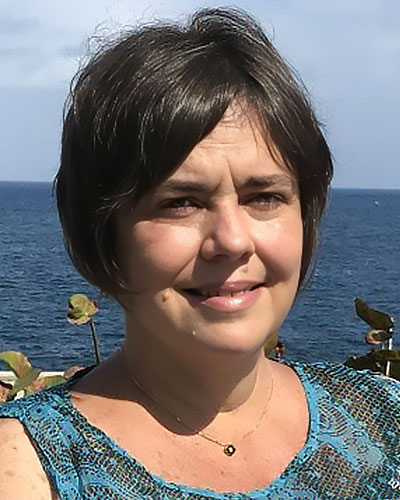
Heidi Goenaga-Infante
Chief Scientist and Director of Chemical Metrology at LGC and Science,
Fellow of the National Measurement Laboratory (NML), UK
Biography
Coming soon!
Metrology for Particle Characterisation: Nanomaterials, Biological Particles and Microplastics
The talk by Heidi Goenaga-Infante will focus on the role of metrology in ensuring accurate, reliable, and comparable measurements for particle characterization. It will highlight advances in measurement science applied to complex particulate systems, including engineered nanomaterials, biological particles, and microplastics. The presentation is expected to address key challenges such as particle size, composition, and heterogeneity, as well as the development of standardized methods and reference materials to support data quality and regulatory needs across environmental, biomedical, and materials science applications.
QUICK LINK
Special Talk
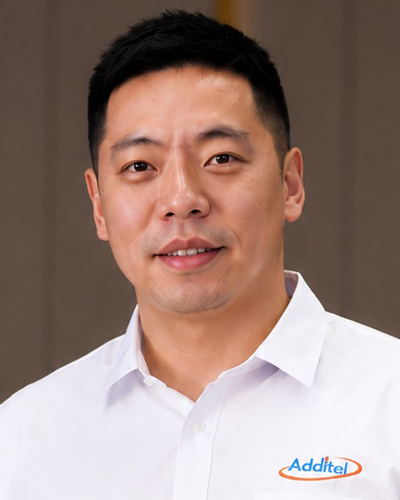
Special Talk | Day 1: 26.08.26 (12:15-12:30) | Phayathai 1-2
Josiah Meng
Sales Manager for APAC of Additel Corporation
Biography
Mr. Josiah Meng - is the sales manager for APAC of Additel corporation, who graduated from Clarkson University with a Master of Science degree in Aerodynamics. He has been working for Additel since 2015, involved in market research and R&D of many products and visited all countries in Asia Pacific. Josiah has a deep understanding and experience with calibration applications, especially for the Southeast Asian market. In addition, he has extensive experience with automated calibration solutions.
New Generation of Smart Temperature and Pressure Calibration System
Introduces advanced technologies and concepts for modern temperature and pressure calibration by integrating high-accuracy reference instruments, automated control, network connectivity, and intelligent data-management software into a unified system. It covers the complete calibration workflow—from defining calibration points and controlling and monitoring system stability to acquiring and analyzing measurement data and automatically generating calibration reports. This integrated approach minimizes operator-related errors, improves process efficiency and consistency, and supports metrological traceability to the International System of Units (SI) and laboratory operations in accordance with ISO/IEC 17025.
QUICK LINK
Invited Talks
Sub-theme:
Food and health
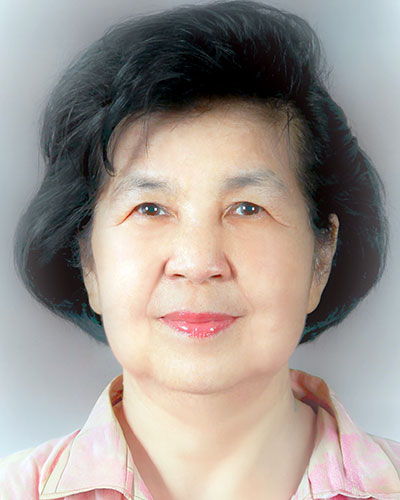
Invited Talk I | Day 1: 26.08.26 (13:30-13:55) | Phayathai 1
Anchali Krisanachinda
Faculty of Medicine, Chulalongkorn University, Thailand
Biography
Education Background
• PhD Medical Radiation Physics, University of Health Sciences North Chicago Illinois USA
• MSc Radiation Physics, University of London, UK
• BSc (Hons) Physics, Chulalongkorn University, Bangkok, Thailand
Anchali Krisanachinda, Ph.D. Consultant Medical Physicist,
• President, Thai Medical Physicist Society
• Founder, Thai Medical Physicist Society, SEAFOMP, AFOMP
• IAEA Designated Team Member RAS6117 “Integrating Artificial Intelligence for Enhancing Postgraduate Medical Physics Education and Training”
(2026-2029)
• IAEA NPC RAS6109 “Improving the Quality and Safety of Diagnostic and Interventional Radiology Services to Benefit Health Care by Enhancing the Status, Knowledge and Skills of Medical Physicists” (RCA)
• IAEA NPC RAS6101 “Improving the Quality and Safety of Radiation Medicine through Medical Physicist Education and Training” (RCA)
ASEAN Diagnostic Reference Levels: Challenges and Benefits
The radiation exposure from medical imaging is growing rapidly. CT has become the major source of patient exposure in diagnostic imaging. The radiation dose delivered to patients by CT can damage the cells and tissues, causing stochastic effects and cancer induction. Diagnostic reference level (DRL) is the investigation level used for optimization of protection in the medical exposure of patients. The DRL quantity is the value commonly, easily measured, and determined radiation metric that assesses the amount of ionizing radiation used to perform a medical imaging task. The purpose of this study is to establish the Regional anatomical based and clinical indication based Diagnostic Reference Levels (RDRLs) for the Radiology and Nuclear Medicine procedures.
The RDRLs is set at the median values of the National DRLs (NDRLs) values. NDRLs is set as the 75 percentile of the median dose distribution. In 2021, the ASEAN members established the anatomical based DRLS. The clinical indication based DRL was introduced in 2022 and published in 2023 in the MPI Journal. The symposium on ASEAN DRL is annually organized and showing the large variation in the survey.
The clinical indications based DRL showed the radiation doses tailored to specific disease areas, maximize patient benefits and appropriateness of care. It is worth noting that besides considering anatomical-based DRLs, determining radiation doses tailored to specific disease areas can maximize patient benefits and appropriateness of care. It is also important to update the clinical practices and provide the continuous training for personnel to ensure proper use of the technology and to raise awareness of appropriate radiation dose management for patients.
The NDRLs and RDRLs are on the voluntary basis, the encouragement and the recognition on the optimization of radiation protection in medical imaging are emphasized.
Sub-theme:
Food and health
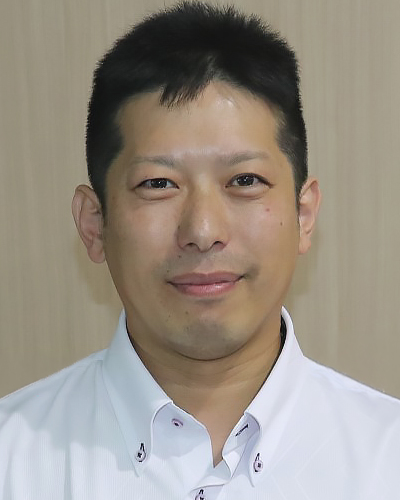
Invited Talk II | Day 1: 26.08.26 (13:55-14:20) | Phayathai 1
Taichi Yamazaki
National Metrology Institute of Japan (NMIJ), Japan
Biography
Coming soon!
NMIJ – Clean and quality drinking water
Coming soon!
Sub-theme:
Food and health
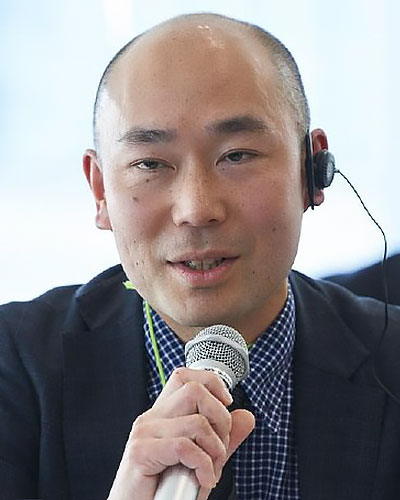
Invited Talk III | Day 1: 26.08.26 (14:20-14:45) | Phayathai 1
Toru Miura
FUJIFILM Wako Pure Chemical Corporation
Biography
Toru Miura is a principal scientist and head of the Reference Material Group at FUJIFILM Wako Pure Chemical Corporation, where he has worked since 2011. Prior to joining FUJIFILM Wako, he worked as a research chemist at the National Metrology Institute of Japan (NMIJ), focusing on the development of certified reference materials using quantitative NMR (qNMR).
He currently serves as a member of working groups of the Japanese Pharmacopoeia dealing with qNMR applications in herbal medicines and chemical pharmaceuticals. He is also a committee member of the Japanese Industrial Standard (JIS) K 0138 committee and qNMR-related Japanese Agricultural Standard (JAS) committees, as well as an invited expert on ISO/TC 34 (Food products) and the Japanese National Committee for ISO/TC 334 (Reference materials).
Since 2020, he has served as a member of the United States Pharmacopeia Expert Panel on qNMR, which is responsible for revising USP General Chapters.
Enabling Flexible Supply of Certified Reference Materials Using qNMR to Support Food Safety and Health
ISO/IEC 17025 requires metrological traceability for analytical results, while ISO 17034 specifies competence requirements for producers of certified reference materials (CRMs). In organic analysis, the limited availability of primary standards and analyte-specific CRMs makes quantitative NMR (qNMR), using a chemically distinct internal standard, an effective tool for establishing metrological traceability. This presentation describes our contributions to qNMR standardization, our ISO 17034 flexible-scope accreditation for 1H and 19F qNMR value-assignment methods, and our CRM production activities. Since 2009, collaborative research with NMIJ and NIHS has enabled us to establish in-house qNMR capabilities and contribute to the development of qNMR documentary standards, the Japanese Pharmacopoeia, JIS K 0138, and ISO 24583. We obtained NITE accreditation for 1H qNMR in 2023 and for 19F qNMR in 2025, and now supply CRMs worldwide for pharmaceutical, food, environmental, and PFAS analyses.
QUICK LINK
Sub-theme:
Energy technology & energy transition
Invited Talk I | Day 1: 26.08.26 (13:30-13:55) | Phayathai 2
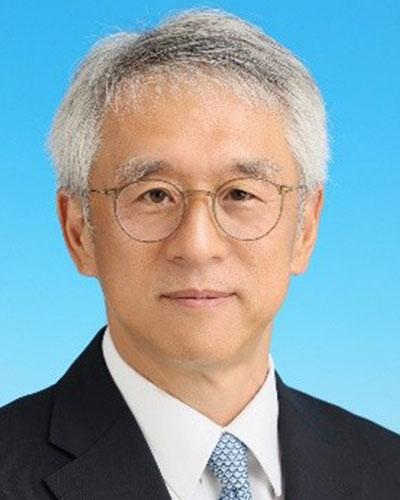
Toshiyuki Takatsuj
Executive Director,
Japan Measuring Instruments Federation (JMIF), Japan
Biography
Dr. Toshiyuki Takatsuji graduated from Kobe University in 1988 and received his doctoral degree in 1999. His primary research area is dimensional metrology, with a particular focus on coordinate metrology. He has authored more than 100 scientific papers and has received numerous awards for his contributions to the field. He has served as an expert in ISO/TC 213/WG 10 (Coordinate Measuring Systems) and is currently the project leader for the development of performance testing standards for X-ray computed tomography. He has also held several international leadership positions, including Chair of the Asia Pacific Metrology Programme (APMP).
Dr. Takatsuji worked at the National Metrology Institute of Japan (NMIJ) for 34 years before retiring in 2024. He currently serves as Executive Director of the Japan Measuring Instruments Federation (JMIF), an industrial association representing manufacturers of measuring instruments.
Standardization of performance testing for X-ray computed tomography
X-ray computed tomography (CT) is a technology that allows for non-destructive observation of the interior of an object and is an indispensable measurement tool for research and development in the field of environmental energy. In recent years, the accuracy of X-ray CT has improved, making it suitable for metrological applications. However, standardization of its performance evaluation has progressed slowly. This paper describes the status of deliberations within ISO and discusses the use of uncalibrated gauges, a topic of growing interest in metrology.
Sub-theme:
Energy technology & energy transition
Invited Talk II | Day 1: 26.08.26 (13:55-14:20) | Phayathai 2
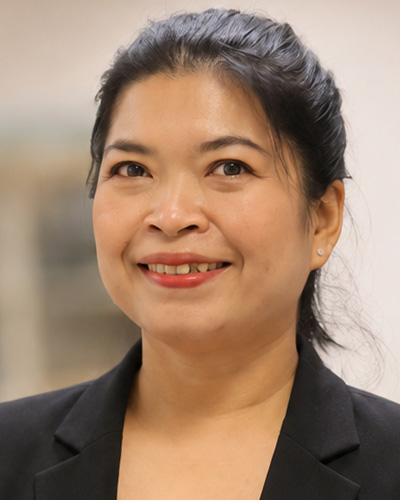
Oijai Ongrai
Metrologist Professional,
National Institute of Metrology (Thailand), NIMT
Biography
Dr. Oijai Ongrai is a Senior Metrologist at the National Institute of Metrology (Thailand), NIMT, and currently serves as the Chair of the Asia Pacific Metrology Programme Energy Efficiency Focus Group (APMP-EEFG). With extensive expertise in energy metrology and temperature measurement infrastructure, Dr. Ongrai leads regional initiatives to harmonize energy efficiency standards, de-risk clean energy investments, and advance trusted measurement frameworks across Asia-Pacific National Metrology Institutes (NMIs). Her work focuses on translating rigorous metrological traceability into bankable data for renewable energy systems, including photovoltaic performance, emerging energy and grid technologies. She actively collaborates with policy makers, regulatory agencies, academic and international metrology bodies to drive Net Zero transitions through science-backed measurement integrity.
Standardization of performance testing for X-ray computed tomography
X-ray computed tomography (CT) is a technology that allows for non-destructive observation of the interior of an object and is an indispensable measurement tool for research and development in the field of environmental energy. In recent years, the accuracy of X-ray CT has improved, making it suitable for metrological applications. However, standardization of its performance evaluation has progressed slowly. This paper describes the status of deliberations within ISO and discusses the use of uncalibrated gauges, a topic of growing interest in metrology.
TOPIC: Measurement Science Driving Green Energy Transition: APMP‑EEFG Perspectives
Sub-theme:
Energy technology & energy transition
Invited Talk III | Day 1: 26.08.26 (14:20-14:45) | Phayathai 2
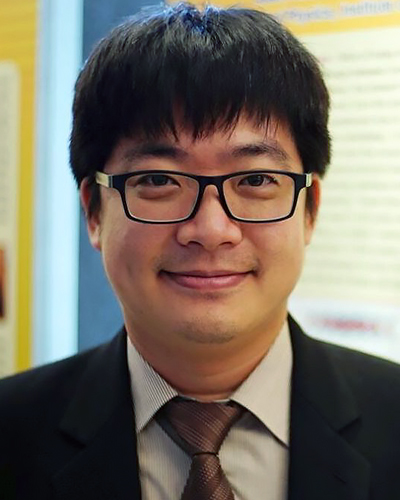
Worawat Meevasana
School of Physics, Institute of Science
Suranaree University of Technology, Thailand
Exploration of Quantum States in 2D Materials and Application in Energy Storage
Angle-resolved photoemission spectroscopy (ARPES) is a powerful technique for directly observing the electronic structure with energy- and momentum-resolved information. By experimentally detecting the electronic structure, the fundamental physics can be revealed. In this talk, I will discuss ARPES studies of two-dimensional electron gas (2DEG) in transition metal oxides [1-3] and chalcogenides [4]. The focused quantum effects include negative electronic compressibility and the unique character of strongly correlated systems, specifically Mott-insulators, in the context of advancing battery electrode materials.
Keywords: 2D electrons; Quantum materials; Electronic structure; ARPES; Energy storage
QUICK LINK
Sub-theme:
AI and Robotics
Invited Talk I | Day 2: 27.08.26 (09:00-09:25) | Phayathai 1
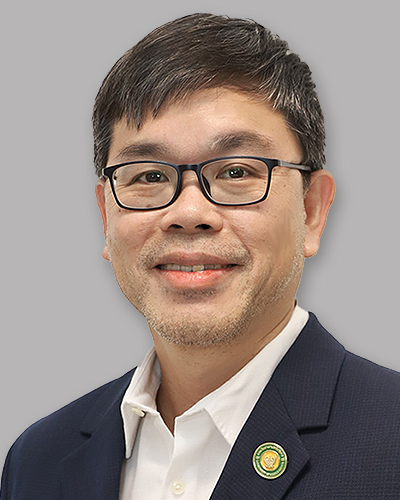
Pasan Kulvanit
Director, Institute for Innovative Robotics and Automated Vehicle (IRAV)
Department of Science Service (DSS), Thailand
Thailand Conformity Assessment Scheme for Connected Autonomous Vehicle
The rapid advancement of Connected and Automated Vehicles (CAVs) necessitates robust regulatory frameworks and rigorous testing protocols to ensure public safety and operational efficiency. This presentation outlines the comprehensive conformity assessment scheme developed by the Institute for Innovative Robotics and Automated Vehicle (IRAV) under Thailand's Department of Science Service (DSS).
Key focal points of the talk include:
● Aligning national standards with the newly announced UN Global Technical Regulations (GTR) on Autonomous Driving Systems (ADS). This specifically targets Level 3 and Level 4 automation capabilities.
● Establishing a structured, four-step pathway to real-world AV deployment. This progression begins with controlled testing at the T-CAVs Proving Ground in EECi Wangchan Valley. It then advances through semi-public traffic tests and urban sandbox environments before reaching full real-world implementation.
● Implementing a Digital Twin platform for virtual testing and certification. By simulating vehicle dynamics, environmental conditions, and sensor inputs using commercially available platforms, automotive systems can be thoroughly evaluated before physical installation. This approach saves time, reduces costs, and improves safety.
● Formulating strategic policy recommendations based on Level 4 capability testing. This includes identifying optimal sandbox locations and analyzing Level 4 edge cases to improve software and infrastructure readiness.
Through collaborations with domestic regulators and international partners—including NIMT, DLT, TISI, CATARC, TUV Rheinland, and PTB—Thailand is strategically positioning itself to support diverse autonomous business use cases. This framework aims to enable applications ranging from robotic delivery and robotaxis to heavy-duty mining and port logistics, highlighting the critical role of measurement science in bringing autonomous mobility to Thai roads.
Sub-theme:
AI and Robotics
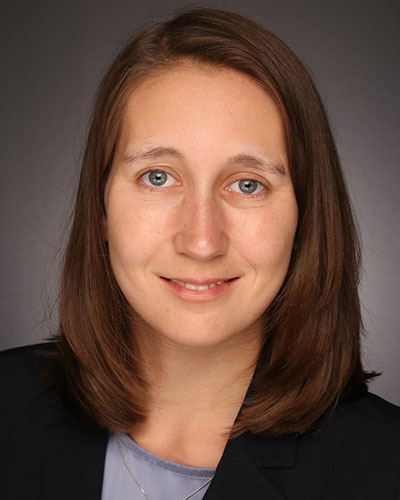
Invited Talk II| Day 2: 27.08.26 (09:25-09:50) | Phayathai 1
Meike Huber
WZL | RWTH Aachen University, Germany
Biography
Dr.-Ing. Meike Huber is leader of the research group “Virtual Measurements” at the Chair of Intelligence in Quality Sensing of WZL at RWTH Aachen University since mid-2024. She received her M.Sc. in Mathematics in 2019, and her doctorate degree in 2025 at the RWTH Aachen. Since joining the WZL in 2019, her research focuses on the uncertainty-aware and AI-assisted modeling for metrological applications in manufacturing. Moreover, she has represented her interests in the combination of AI and metrology as product owner and project manager at the Hong Kong Industrial Artificial Intelligence & Robotics Centre (FLAIR) from late 2023 until mid-2025. She is member of the VDI/VDE-GMA FA 1.12 Measurement uncertainty and inspection process capability, and is collaborating with different NMIs within the EURAMET community, e.g. in the EPM project 24DIT03 A3SmartML.
Generalization Pipeline for Smart Measurements using Machine Learning
Multidimensional measurements are a key technology in metrology, enabling applications like material characterization through nanoscale imaging and the quality control of semiconductors through photocurrent mapping. However, long acquisition times result in a high need for more efficient, smarter measurement strategies. Combining tools from machine learning with statistical approaches and compressed sensing offers new possibilities for the enhancement of the efficiency of the measurement procedures, while broadening the potential of machine learning methods in metrology. At the same time, the application of machine learning in metrological application requires a reliable uncertainty evaluation. This work presents a generalization pipeline for such smart measurements, which allows for an uncertainty-aware, adaptive machine-learning-based optimization of sampling strategies for multidimensional measurements, to make them more efficient while still reliable. The pipeline enables the general application of smart measurement strategies to a broad range of multidimensional measurement processes.
Keywords: Machine learning pipeline, smart measurements, uncertainty-aware
QUICK LINK
Sub-theme IV:
Communication and sensing
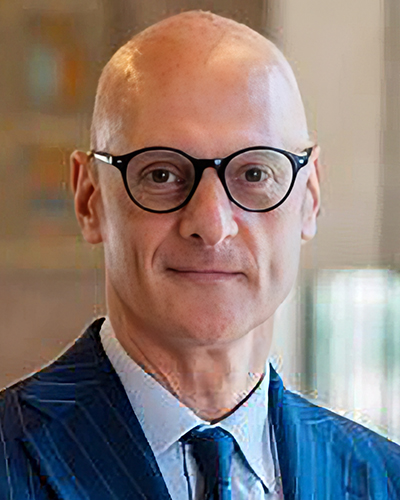
Invited Talk I | Day 2: 27.08.26 (09:00-09:25) | Phayathai 2
Paolo Carbone
Department of Engineering, University of Perugia, Italy
Biography
Paolo Carbone received both the Master's and the Ph.D. degrees from the University of Padova, Italy, in 1990 and 1994, respectively. Since 2002, he has been a Full Professor with the University of Perugia, where he teaches courses in Instrumentation and Measurement and in Statistical Signal Processing. He has been involved in various research projects, sponsored by private and public funds. He has authored/coauthored more than 300 papers, appeared in international journals and conference proceedings. He is an IEEE Fellow and was the President of the IEEE Systems Council. Since 2018, he is the Editor-in-Chief of the journal Measurement. He is the current President of IMEKO.
Identification of Trigonometric Polynomials from 1-Bit Irrational Sampling
This paper studies the identifiability of real trigonometric polynomials from one-bit observations collected at irrational sampling phases. The problem lies at the intersection of low-bit sensing, statistical inference, and harmonic
analysis, and is motivated by the increasing importance of resource-constrained acquisition and inference systems. We show that identifiability depends critically on the disturbance model. The results provide a theoretical analysis of identifiability across three disturbance regimes under structured sampling and support practical applications relying on one-bit analog-to-digital conversion.
Sub-theme IV:
Communication and sensing
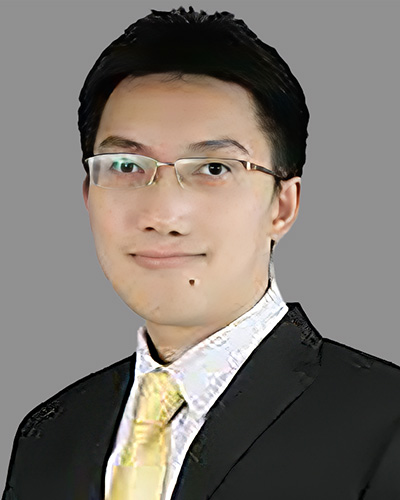
Invited Talk II| Day 2: 27.08.26 (09:25-09:50) | Phayathai 2
Sorawis Sangtawesin
School of Physics, Institute of Science
Suranaree University of Technology, Thailand
Biography
Dr. Sorawis Sangtawesin is a lecturer in the School of Physics, Suranaree University of Technology, Thailand. He earned his Sc.B. in Engineering Physics at Brown University in 2011. He then received his M.Sc. and Ph.D. in Physics from Princeton University in 2012 and 2016, respectively. He worked as a postdoctoral fellow in the Department of Electrical Engineering at Princeton before joining Suranaree University of Technology in 2019.
Dr. Sorawis Sangtawesin has been working on experimental solid-state physics, focusing on quantum computing and quantum sensing with the nitrogen-vacancy centers in diamond. Currently, he leads the Quantum Microscopy Laboratory (QLAB) at SUT, where his team develops room-temperature quantum technologies based on diamond nitrogen-vacancy centers. His research spans solid-state spin control, vector magnetometry, and custom optical platforms for biomedical and industrial applications.
Vector Magnetometry with Nitrogen-Vacancy Center Ensembles in Diamond
The nitrogen-vacancy (NV) center in diamond is a promising platform for quantum magnetometry due to its spin-dependent optical readout and ability to operate under ambient conditions. For vector magnetometry, an ensemble of NV centers aligned along four different crystallographic orientations can be used to determine both the magnitude and direction of a magnetic field via optically detected magnetic resonance (ODMR) spectra. However, due to the symmetry and equivalent crystallographic planes of the diamond lattice, full reconstruction of the magnetic field vector typically requires an external bias field to lift the degeneracy between NV orientations. Here, we demonstrate that this degeneracy can be lifted by illuminating the diamond at an oblique angle and analyzing the resulting polarization-dependent ODMR spectra. The unique dipole orientation of the NV centers enables the unambiguous assignment of ODMR transitions to specific NV axes, and we show that as few as eight measurements are sufficient to reconstruct the full magnetic field vector. Our method enables rapid vector magnetometry of arbitrary magnetic fields without the need to apply or vary a reference field, especially when all the ODMR transitions are well-resolved. This approach opens the door to more compact and portable magnetometers and may facilitate real-time magnetic field imaging in materials science and biological systems.
Sub-theme IV:
Communication and sensing
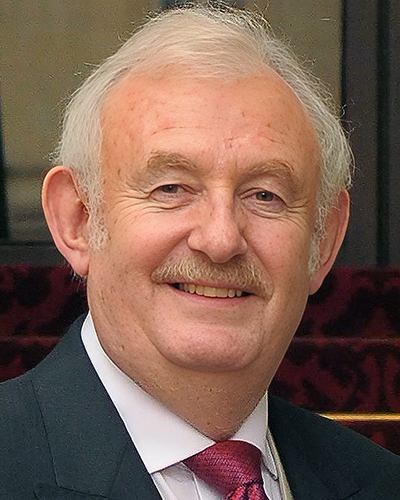
Invited Talk III| Day 2: 27.08.26 (09:50-10:10) | Phayathai 2
Kenneth Grattan
City St. George’s, University of London, UK
Biography
Kenenth Grattan graduated in physics from Queen's University Belfast, followed by a PhD in laser physics. He joined City University London in 1983 and was appointed George Daniels Professor of Scientific Instrumentation in 2013 and to a Royal Academy of Engineering Research Chair in 2014. His research interests include the development and use of fibre optic and optical systems in the measurement of a range of physical and chemical parameters.
He was elected President of the International Measurement Confederation (IMEKO) in 2014, serving from 2015 to 2018. He was elected to the Royal Academy of Engineering, the UK National Academy of Engineering, in 2008. He was awarded the Officer of the Order of the British Empire (OBE) by Her Majesty the Queen at Windsor Castle in November 2018.
He is internationally acknowledged for his influential research contributions over more than four decades to the creation and use of innovative photonic and optical fibre measurement, sensor and instrumentation techniques, on both the microscopic and macroscopic levels, creating impact through their exploitation with industry and end-users in the UK and abroad.
Professor Grattan had been Deputy Editor of the Journal Measurement Science and Technology for several years and currently serves on the Editorial Board of several major journals in his field in the USA and Europe. From 2001 to 2017, he was Editor of the IMEKO Journal Measurement and also serves on their General Council. He has been appointed Editor-in-Chief of the journal Measurement: Sensors in 2019 and is now Editor Emeritus.
Professor Grattan is the author and co-author of over nine hundred refereed publications in major international journals and a similar number at conferences and is the co-editor (with Professor B T Meggitt) of a five-volume topical series on optical fiber sensor technology. His work is highly cited by his peers nationally and internationally.
Optical Fiber-based Thermometry: optimizing implementation decisions for industrial measurements
This paper provides an overview of a number of optical fiber-based methods for industrial thermometry, in particular focusing on the optimum way to make the choice across two of the most popular approaches used by industry, fluorescence-based and Fiber Bragg Grating (FBG)-based methods. The aim is to set out the key criteria in making the best choice, given not only the range of factors seen in different industries but also how the different approaches to better fiber optic-based measurement compare in terms of key parameters such as their best operational range, issues around the fabrication of the sensor and its ‘packaging’ for the environment in which it is used, the ability to multiplex the sensors along a single fiber network, the ‘cross-talk’ issues due to extraneous parameters such as strain or pressure and the ease with which the sensor data can be extracted and compared to the calibration. Finally issues of stability are addressed and several ‘case studies’ referenced.
Keywords: Optical fiber sensor systems, fiber optic thermometry, Fiber Bragg Grating (FBG-based thermometry, luminescent thermometry, industrial applications of fiber optic thermometry.
QUICK LINK
Sub-theme:
Advanced Materials
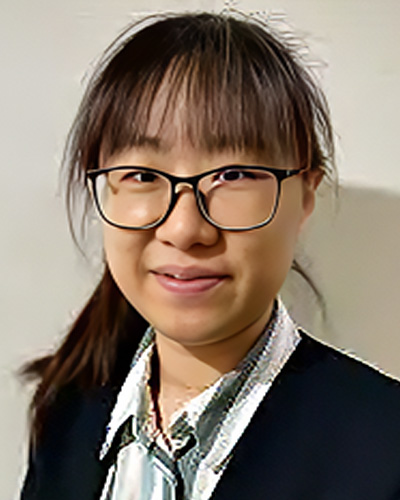
Invited Talk I | Day 3: 28.08.26 (13:30-13:55) | Phayathai 1
Fang-Hsin Lin
Center for Measurement Standards (CMS) /Industrial Technology Research Institute (ITRI), Chinese Taipei
Biography
Dr. Fang-Hsin Lin received her Ph.D. degree in Biomedical Engineering and Environmental Sciences from National Tsing Hua University. She joined the Center for Measurement Standards of Industrial Technology Research Institute as a metrologist in 2015 and currently serves as the Deputy Division Director of the Semiconductor Instrumentation and Metrology Division at CMS/ITRI. She has contributed to the development of nanometrology-related techniques and instrumentation and has actively participated in international activities of Asia Pacific Metrology Programme/TCMM and VAMAS. Her work mainly focuses on particle and impurity analysis in raw materials for the semiconductor industry.
Particle Metrology for Advanced Semiconductor
As integrated circuit (IC) manufacturing advances toward the 2 nm technology node and beyond, contamination control has become a critical factor in achieving high yield and device reliability. According to the International Roadmap for Devices and Systems (IRDS), particulate contamination below 20 nm is one of the major challenges in advanced semiconductor manufacturing. This challenge has driven an increasing demand for sensitive, traceable, and comprehensive particle metrology.
This presentation introduces the comprehensive particle metrology capabilities developed at the Center for Measurement Standards (CMS/ITRI) for semiconductor contamination control. The platform encompasses particle characterization on wafer surfaces, in liquid chemicals, and in process gases, enabling integrated analysis of particle size, concentration, morphology, and chemical composition. By integrating optical, microscopic, mobility-based, and mass spectrometric techniques—including laser scattering, AFM, SEM, DMA-CPC, AF4, optical particle counting, and spICP-MS—the platform provides complementary measurement capabilities for contamination characterization across the semiconductor manufacturing process.
To ensure measurement traceability and reliability, CMS/ITRI has also developed particle reference standards, including wafer particle calibration standards and nanoparticle solution reference materials. Together, these advancements establish a robust particle metrology framework for contamination monitoring, instrument calibration, and quality assurance, supporting stringent process control and improving manufacturing yield and reliability in next-generation semiconductor technologies.
Sub-theme:
Advanced Materials
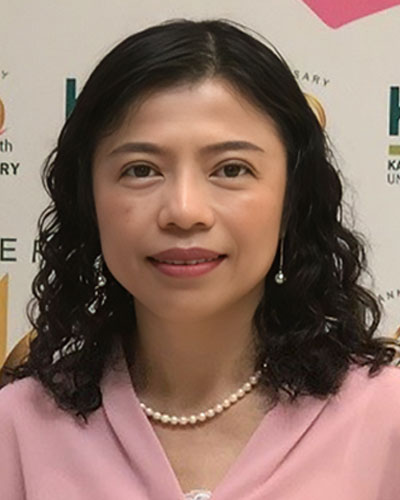
Invited Talk II | Day 3: 28.08.26 (13:55-14:20) | Phayathai 1
Amporn Sane
Department of Packaging and Materials Technology
Faculty of Agro-Industry, Kasetsart University, Thailand
Biography
Dr. Amporn Sane is a professor in the Department of Packaging and Materials Technology, Faculty of Agro-Industry, Kasetsart University, Bangkok, Thailand. My academic background was in Chemical Engineering (MS and Ph.D) and Food Science & Technology (BS). The current interests of my research group are directed towards a) food contact materials testing, safety assessment, and improving performance of recycled plastics, b) enhancing the functional properties of conventional polymers, blends and composites, and c) development of biodegradable materials for packaging applications.
Challenges of recycled plastics in food contact materials (FCMs)
The increasing adoption of recycled plastics in food contact materials (FCMs) is driven by global circular economy initiatives, sustainability goals, and regulatory targets for recycled content in packaging. Despite these benefits, ensuring the safety of recycled plastics for food-contact applications remains a significant challenge due to the potential presence of chemical contaminants originating from previous use, misuse, environmental exposure, and the recycling process itself. Particular concern is associated with the migration of contaminants and non-intentionally added substances (NIAS), including degradation products, reaction by-products, and unknown impurities that may transfer from recycled polymers into food. Compared with virgin polymers, recycled plastics often exhibit greater variability in composition, thermal history, and contaminant profiles, necessitating more rigorous safety evaluation and quality control.
Challenge testing has become a fundamental tool for assessing the decontamination efficiency of recycling processes intended for food-contact applications. This presentation will introduce the principles of challenge testing, including the selection of surrogate contaminants, contamination protocols, and the determination of decontamination efficiency. The influence of critical recycling parameters—such as temperature, residence time, vacuum level, and gas flow—on contaminant removal will be discussed, together with the limitations and analytical challenges associated with detecting residual contaminants at trace levels. The role of advanced analytical techniques for migration testing, targeted contaminant analysis, and NIAS characterization will also be highlighted.
Finally, the presentation will review the current regulatory framework governing recycled plastics for FCMs, including international requirements for demonstrating process safety and regulatory compliance. Emphasis will be placed on how robust challenge testing, comprehensive chemical analysis, and harmonized regulatory approaches collectively support the safe use of recycled plastics in food packaging while advancing a sustainable circular economy.
Sub-theme:
Advanced Materials
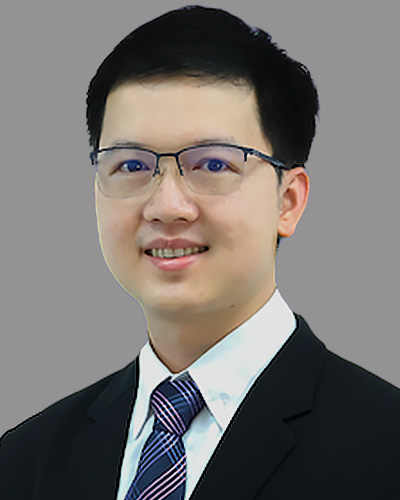
Invited Talk III | Day 3: 28.08.26 (14:20-14:45) | Phayathai 1
Yothin Chimupala
Department of Industrial Chemistry,
Faculty of Science, Chiang Mai University, Thailand
Biography
Dr. Yothin Chimupala is a faculty member in the Department of Industrial Chemistry and Manager of Advanced Scientific Instruments Unit, Faculty of Science, Chiang Mai University, Thailand. He received his PhD in Chemical and Process Engineering from the University of Leeds, UK, in 2016. His research focuses on TiO₂ and ZnO photocatalysts, phase transformation and modification of TiO₂(B), porous carbon materials, Metal-organic frameworks(MOF), electrocatalysts for hydrogen production, and advanced materials for energy and environmental applications. He has also contributed to the scale-up production of advanced materials. His achievements include the Outstanding Young Researcher Award from the Faculty of Science, Chiang Mai University, in 2024, along with several research publications and presentation awards.
Phase transformation among TiO2 polymorphs and Characterization
TiO₂(B), or bronze-phase TiO₂, is a metastable polymorph of titanium dioxide that is difficult to obtain in pure form and is rarely found in nature. Its distinctive open crystal structure, containing large channels and voids, makes TiO₂(B) particularly attractive for photocatalytic applications and as an anode material for lithium-ion batteries. This work explores the synthesis and phase-formation mechanisms of TiO₂(B) using both hydrothermal and low-pressure chemical vapour deposition (LPCVD) approaches.
Hydrothermal synthesis was first employed to produce TiO₂(B) nanorods through the transformation of sodium titanate intermediates. Detailed characterisation of products at different reaction stages using powder X-ray diffraction, Raman spectroscopy and Electron microscopy enabled an integrated mechanism for TiO₂(B) formation to be proposed. These findings highlighted the important role of Na⁺ ions in directing structural transformation toward the TiO₂(B) phase.
Building on this understanding, mixed-phase TiO₂(B)/anatase thin films were successfully deposited on soda-lime glass by Chemical Vapor Deposition(CVD). Surface pre-treatment with Na⁺-containing solutions was subsequently developed to promote TiO₂(B) formation on a wider range of substrates, including silicon, fused quartz, and carbon-based materials. Comparative studies of Li⁺, Na⁺, and K⁺ revealed that Na⁺ most effectively promotes TiO₂(B) formation, while K⁺ has a limited effect and Li⁺ does not induce the phase. A phase-formation mechanism involving alkali-metal migration and intermediate titanate formation is proposed, providing new insight into the controlled synthesis of TiO₂(B)-containing nanostructures and thin films.
QUICK LINK
Sub-theme:
Natural disaster & environmental crisis
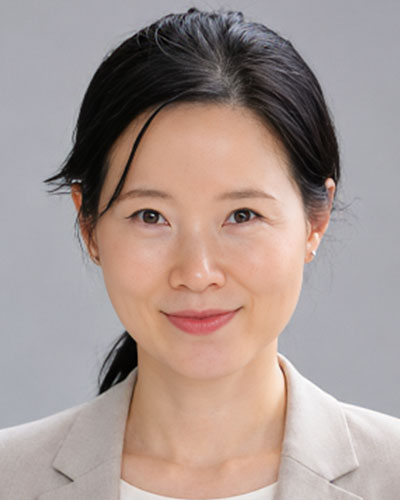
Invited Talk I | Day 3: 28.08.26 (13:30-13:55) | Phayathai 2
Preeyanuch Sangtrirutnugul
Department of Chemistry, Faculty of Science
Mahidol University, Thailand
Biography
Preeyanuch Sangtrirutnugul is an Associate Professor in the Department of Chemistry, Faculty of Science, Mahidol University. She received her Ph.D. in Chemistry from the University of California, Berkeley, under the supervision of Prof. T. Don Tilley, before joining Mahidol University in 2007. Her research interests lie in inorganic materials chemistry and catalysis, particularly the design of efficient and environmentally friendly catalysts. Using click chemistry as a versatile synthetic platform, she develops molecular and polymeric catalysts for organic transformations, including C–C coupling, alcohol oxidation, and CO2 conversion. A major focus of her recent work is the transformation of CO2 into value-added cyclic carbonates.
From Click Chemistry to Carbon Utilization: Triazole-Based Catalysts for CO2 Conversion
The development of efficient catalysts for the conversion of CO2, a key greenhouse gas and useful C1 source, into value-added cyclic carbonates represents an important strategy for carbon utilization. Cyclic carbonates have broad applications as green solvents, lithium-ion battery electrolytes, and polymer precursors, making efficient routes to them highly desirable. This presentation highlights the copper-catalyzed azide–alkyne cycloaddition (CuAAC, or click reaction) as a versatile and regioselective method for constructing 1,2,3-triazole-based molecular and polymeric catalysts. The modularity of click chemistry is exploited to incorporate a diverse range of functional groups – amines, quaternary ammonium halides, pyridines, and silanols – into catalyst frameworks. By leveraging this structural versatility across different catalyst platforms, enhanced catalytic activity for the CO2/epoxide cycloaddition reaction is achieved under practical conditions (i.e., 1–20 atm CO2, 80–120 oC). Representative examples of both homogeneous and heterogeneous triazole-based catalysts are discussed, with emphasis on how structural variations and functional-group design influence catalytic performance. For the heterogeneous catalysts in particular, reusability and stability are examined in the context of improved process sustainability. Together, these findings establish triazole-containing catalysts as practical tools for the sustainable conversion of CO2 into cyclic carbonates.
Sub-theme:
Natural disaster & environmental crisis
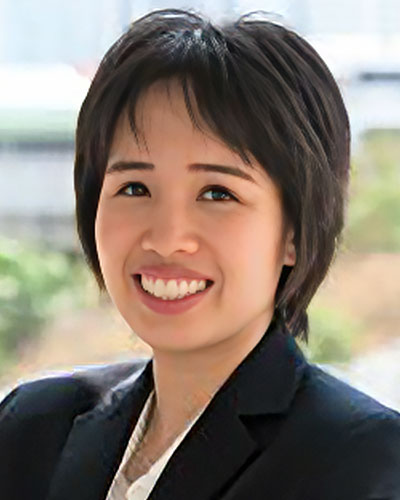
Invited Talk II | Day 3: 28.08.26 (13:55-14:20) | Phayathai 2
Thanchanok Ratvijitvech
Department of Chemistry, Faculty of Science
Mahidol University, Thailand
Biography
Thanchanok Ratvijitvech graduated from Mahidol university for her bachelor degree and obtained her PhD from the University of Liverpool, UK. After graduation, she is a lecturer in the Department of Chemistry, Faculty of Science at Mahidol University. Her research interests focus on the design and synthesis of porous polymeric materials, especially hypercrosslinked polymers, for environmental applications. Her research emphasizes on adsorption and heterogeneous catalysis for water remediation where she attempts to improve adsorption capacity and selectivity of materials to efficiently remove heavy metals and organic pollutants from contaminated water systems.
Hypercrosslinked Polymers for Water Treatment
Hypercrosslinked polymers (HCPs) are porous organic polymeric materials obtained from extensive crosslinking of rigid aromatic monomers. Catechol is an aromatic compound, a benzene derivative with two hydroxyl groups at the ortho position. Catechol moiety is a well-known Fe chelating agent. Thus, a hypercrosslinked polymer using catechol as a monomer (Catechol-HCP) was designed to prepare a solid adsorbent with an enhanced Fe adsorption efficiency. The polymer was easily synthesized via Friedel-Crafts alkylation in a large scale with a good yield and good interaction with Fe. The Fe-immobilized Catechol-HCP (Catechol-HCP-Fe) was further utilized as a heterogenous Fe catalyst in the Fenton reaction for dye degradation. The prepared material demonstrated a good catalytic activity for the decoloration of methylene blue (MB) in a neutral pH and room temperature with reusability. Furthermore, the Catechol-HCP could also serve as a supporting material for magnetite (Fe3O4) nanoparticles which acted as catalytic centers and simultaneously provided magnetic properties that facilitated rapid separation via an external magnet. The material could be readily recovered using a simple magnet and effectively reused. By using abundant and low-cost chemicals and simple preparation methods, together with its good adsorption and catalytic property with reusability, Catechol-HCP is considered as an inexpensive material for metal ion and metal nanoparticle nanoconfinement and heterogenous catalyst in the Fenton reaction. Thus, Catechol-HCP is a promising candidate as an efficient and inexpensive novel material for water treatment.
Sub-theme:
Natural disaster & environmental crisis
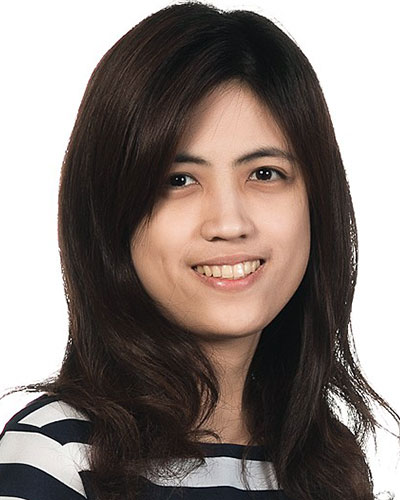
Invited Talk III | Day 3: 28.08.26 (14:20-14:45) | Phayathai 2
Bralee Chayasombat
National Metal and Materials Technology Center (MTEC)
National Science and Technology Development Agency (NSTDA), Thailand
Biography
I am a researcher in materials science and engineering, with an educational background in atomic-scale materials characterization. I have over 10 years of experience in in-depth physical and chemical characterization, focused on understanding the relationships between structure, properties, and performance across a range of materials, including sensing materials, functional materials, and metal composites. My current research focuses on green materials for environmental applications, particularly environmental monitoring and remediation, aiming to translate fundamental materials understanding into practical, sustainable solutions.
Electrochemical Sensing for Environmental Pollution Surveillance: From Heavy Metal Detection to Pesticide Monitoring
Environmental contamination by heavy metals and pesticides in surface water and agricultural produce poses persistent risks to ecosystems and public health, particularly across agriculture-intensive regions. Conventional laboratory techniques such as ICP-MS and chromatography, while highly accurate, are constrained by high instrumentation cost, long turnaround time, and limited field deployability. Electrochemical sensing built on low-cost screen-printed electrodes offers a practical alternative for on-site environmental surveillance, combining sensitivity, affordability, and portability. This presentation surveys the development of three complementary electrochemical sensor platforms for environmental pollution monitoring, spanning both pesticide and heavy metal contaminants.
For pesticide screening, acetylcholinesterase (AChE) enzyme sensors were developed on modified screen-printed electrodes for the detection of chlorpyrifos, exploiting the enzyme's inhibition response to organophosphate exposure. While effective and highly sensitive, enzyme-based sensors face inherent limitations in long-term stability and storage requirements. To overcome these constraints, molecularly imprinted polymer (MIP) sensors were developed as a more robust and cost-effective alternative, targeting a broader panel of pesticides including organophosphate, carbamate, pyrethroid, and herbicide compounds, with functionality tailored through molecular imprinting of the target analytes. For heavy metal surveillance, disposable three-electrode screen-printed carbon electrode (SPCE) sensors were developed for arsenic, cadmium, and lead, each optimized through distinct surface modification strategies to enhance selectivity and sensitivity toward its respective target ions.
Across all three platforms, sensor performance was evaluated in both laboratory-prepared standards and real environmental samples, including natural water sources and agricultural produce, demonstrating their suitability for field-based screening applications. Together, these developments illustrate a coherent progression in electrochemical sensor design, from enzymatic to synthetic recognition elements to nanomaterial-modified electrodes, as scalable, field-deployable tools for environmental pollution surveillance, supporting water quality management and food safety screening in agricultural regions.
Sub-theme:
Natural disaster & environmental crisis
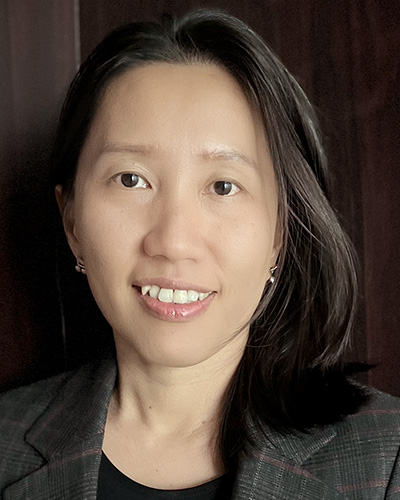
Invited Talk IV | Day 3: 28.08.26 (14:45-15:05) | Phayathai 2
Jariya Buajarern
Metrologist Expert, National Institute of Metrology (Thailand), NIMT
Biography
Dr. Jariya Buajarern is an Expert Metrologist at the National Institute of Metrology (Thailand). She earned her Ph.D. in Physical Chemistry from the University of Bristol, UK, and has almost 20 years of experience in physical and chemical metrology, measurement quality assurance, and measurement traceability. Her work includes the development of monodispersed polystyrene particle reference materials, nanometre-scale national measurement standards, and traceability systems, with applications in the semiconductor industry, PM2.5 monitoring, and microplastic analysis. She also represents Thailand in regional and international metrology collaborations and is actively involved in laboratory capacity building and technical training programmes.
Promoting Circular Economy Practices in the Single-Use Plastics and Packaging Industry: Measurement Challenges and Capacity Building in a Small Island Developing State
Keywords: circular economy; single-use plastics; polymer identification; ISO/IEC 17025; National Quality Infrastructure; capacity building
1. INTRODUCTION
Single-use plastics (SUPs) constitute one of the most pervasive and persistent environmental challenges facing Small Island Developing States (SIDS). Fiji generates approximately 14,875 tonnes of plastic waste annually, of which an estimated 24% leaks into the environment — disproportionately affecting ocean ecosystems on which the country's tourism economy and food security depend [1]. In response, Fiji has enacted a ban on polyethylene (PE) carrier bags below 50 micrometres (2019), a prohibition on expanded polystyrene products (2021), and a plastic import permit system requiring third-party compostability certification for exempted materials. However, these regulatory measures currently operate without the supporting measurement and testing infrastructure needed for credible enforcement. This paper presents findings from a UNIDO-funded assessment of Fiji's measurement capability for plastics and packaging regulation, and describes the capacity-building pathway developed in response.
2. METHODOLOGY
The assessment was conducted through Mission 1 field visits to five priority institutions in Suva, Fiji (July 2026): the Institute of Applied Sciences of the University of the South Pacific (IAS-USP), Fiji National University (FNU), the Ministry of Environment and Climate Change (MECC), the Fiji Revenue and Customs Service (FRCS), and the Department of National Trade Measurement and Standards (DNTMS). A structured Laboratory Diagnostic Questionnaire was administered, covering: analytical capability against thirteen priority testing domains; equipment inventory and calibration status; quality management system (QMS) compliance with ISO/IEC 17025:2017; proficiency testing participation; Tier 2 overseas laboratory use; and institutional role within Fiji's National Quality Infrastructure (NQI). Desktop benchmarking against NATA (Australia) and IANZ (New Zealand) accredited laboratory registers was conducted to identify Tier 2 outsourcing options for tests not feasible domestically.
3. KEY FINDINGS
The central finding is that Fiji already possesses the technical infrastructure required for a minimum viable plastics testing system, but it operates in institutional silos without formal coordination. IAS-USP's existing ISO/IEC 17025 accreditation — covering food chemistry, water quality and environmental analysis, granted by IANZ (New Zealand) under the ILAC Mutual Recognition Arrangement — provides the credibility foundation for extension to plastics testing.
Priority near-term investments identified are:
(1) FTIR-ATR spectroscopy with validated SOPs for polymer identification per ISO 22721;
(2) calibrated electronic film thickness gauges per ISO 4593 for the 50-micron enforcement threshold;
(3) universal tensile testing per ISO 527-3 and melt flow index per ISO 1133-1; and
(4) formalised inter-agency service agreements connecting IAS-USP's testing capability to MECC's enforcement mandate and FRCS's border inspection function.
4. CONCLUSION
Promoting circular economy practices in the SUP and packaging industry of a SIDS context requires measurement capability that is calibrated, accredited and institutionally connected—not merely technically competent. Fiji's case demonstrates that building measurement infrastructure alone is insufficient without parallel investment in the standardization, certification, accreditation and enforcement coordination that together constitute a functional National Quality Infrastructure. The approach developed here—designating an existing accredited laboratory (IAS-USP) as the national reference institution, phasing equipment investment to match QMS development capacity, and connecting laboratory outputs directly to regulatory enforcement workflows—offers a replicable model for other Pacific SIDS facing similar plastics regulation and measurement challenges.
QUICK LINK